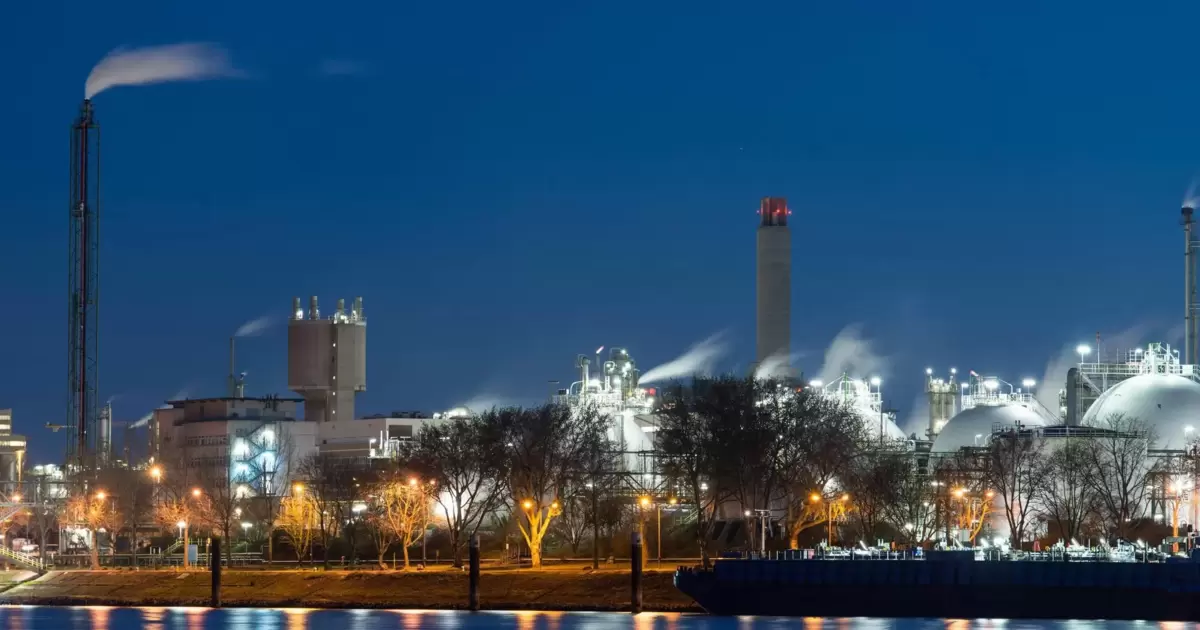
BASF Ludwigshafen: Multiple Workplace Accidents Raise Safety Concerns
The vast industrial complex of BASF in Ludwigshafen stands as a cornerstone of the global chemical industry, a symbol of innovation and industrial might. However, recent workplace accidents at this sprawling site have cast a spotlight on critical safety protocols and the inherent risks associated with large-scale chemical production. A series of incidents, including chemical exposures and injuries during maintenance work, have rightly raised safety concerns among employees, external contractors, and the public. These events underscore the continuous need for vigilance, robust safety measures, and transparent communication in such a high-stakes environment.
A Closer Look at Recent Incidents at BASF Ludwigshafen
Over a span of several months, the Ludwigshafen site has experienced multiple notable incidents, each highlighting different facets of industrial risk. These events serve as stark reminders of the potential dangers when working with hazardous materials and complex machinery.
Ammonia Leak During Cooling System Maintenance
On a Friday in early June, an incident at BASF's North Plant area during routine maintenance brought hazardous chemicals into direct contact with workers. Around 1 PM, while conducting repair work on a cooling system, liquid ammonia briefly leaked. Two employees of an external contracting firm inhaled the product vapors. Following immediate medical attention by a BASF emergency doctor on-site, one individual required precautionary hospitalization in a nearby clinic for observation. The second worker was examined at the BASF ambulance and could be discharged without symptoms shortly thereafter. Authorities were promptly informed of the incident.
Ammonia (NH3) is a commonly used industrial chemical, but its hazards are significant. According to safety data sheets, liquid ammonia is particularly dangerous due to its properties:
- Contains gas under pressure; may explode if heated: This poses a severe physical hazard, especially in enclosed spaces or during equipment malfunction.
- Flammable gas: Ammonia can form explosive mixtures with air, presenting a fire and explosion risk.
- Toxic if inhaled: Inhalation of ammonia vapors can cause severe respiratory irritation, pulmonary edema, and even death, depending on concentration and exposure duration.
- Causes severe skin burns and severe eye damage: Direct contact with liquid ammonia or high concentrations of its gas can lead to corrosive injuries to skin, eyes, and mucous membranes.
- Toxic to aquatic life with long-lasting effects / Very toxic to aquatic life: Environmental release of ammonia can have devastating impacts on aquatic ecosystems.
This incident underscores the critical importance of rigorous lockout/tagout procedures, comprehensive risk assessments for maintenance tasks, and adequate personal protective equipment (PPE) when handling such volatile substances.
Severe Eye Injuries from Chemical Exposure
Just weeks later, in early July, another significant accident at BASF's North Plant shook the site. A technical defect in a pipeline led to an external employee coming into contact with 4,4‘-Diaminodicyclohexylmethane (PACM) around 11 AM. The worker sustained severe eye injuries and was immediately transported to a nearby clinic for intensive medical care. BASF's emergency medical team provided first aid on the spot, and investigations into the exact cause of the technical defect commenced immediately. Authorities were again notified.
4,4‘-Diaminodicyclohexylmethane, or PACM, is a hazardous chemical with a range of dangerous properties:
- Harmful if swallowed: Can cause systemic toxicity.
- May cause allergic skin reactions: Sensitization can develop over time, leading to severe allergic responses upon subsequent exposure.
- Causes severe skin burns and severe eye damage: Similar to ammonia, direct contact is highly corrosive.
- May cause damage to organs (liver, skeletal muscle, stomach) through prolonged or repeated exposure: This highlights the potential for chronic health effects, even from lower-level or repeated exposures over time.
PACM is an important industrial chemical, primarily used as a curing agent in epoxy resins for coatings, adhesives, and composites. It's also found in polyurethane foams, elastomers for mattresses and shoe soles, and in high-tech plastics for automotive and electronics applications. Given its widespread use and severe health hazards, incidents involving PACM demand thorough investigation and stringent preventive measures.
Scalding Burns During Pipeline Repair Work
Earlier in the year, in late January, an unfall basf incident also occurred in the North Plant area. Two employees suffered scalding burns from hot water while performing repair work on a pipeline around 10 AM. Both individuals received immediate treatment from an emergency doctor on-site before being transferred to a local hospital. The precise circumstances leading to this accident remained unclear at the time. While not involving hazardous chemicals, this incident underscores the dangers inherent in routine maintenance tasks involving high-temperature fluids and the necessity of meticulous planning and execution for all repair operations.
Unpacking the Broader Safety Implications
The cluster of these incidents within a relatively short period raises important questions about overall safety culture and operational integrity at such a large and complex chemical facility. Several key areas warrant closer examination:
- The Role of External Workers: A striking pattern across these incidents is the involvement of external contractors. While external firms bring specialized expertise, they may also face unique challenges regarding site-specific safety protocols, integration into the main plant's safety culture, and potentially tighter deadlines. This highlights the critical need for robust contractor management systems, ensuring external personnel receive comprehensive training and are fully integrated into BASF's safety framework. For more insights, read our related article: External Workers at BASF: Understanding Risks After Recent Incidents.
- Maintenance and Technical Integrity: Multiple incidents stemmed from issues during maintenance or technical defects in equipment. This emphasizes the paramount importance of preventive maintenance programs, regular equipment inspections, reliable leak detection systems, and thorough pre-job hazard assessments for all repair and overhaul activities. Technical failures in a chemical plant can have catastrophic consequences.
- Inherent Hazards of Chemical Production: The very nature of chemical manufacturing involves working with substances that are toxic, corrosive, flammable, or reactive. This necessitates a multi-layered approach to safety, from engineering controls and process safety management to individual protective measures and rigorous emergency response planning. Understanding and managing these complex risks is an ongoing challenge for any chemical company. For a deeper dive into chemical exposure incidents, see: Chemical Exposure & Injuries: Incidents at BASF Ludwigshafen.
Cultivating a Culture of Safety: Proactive Measures and Best Practices
Preventing future incidents at industrial giants like BASF requires continuous dedication to best practices in safety management. It's not merely about compliance but about fostering a deep-seated safety culture where every individual understands their role in preventing accidents.
Practical tips and actionable advice for enhancing workplace safety:
- Continuous Risk Assessment & Hazard Identification: Regular, thorough assessments of all processes, equipment, and tasks, especially before starting maintenance or introducing new procedures. This includes identifying potential chemical exposures, mechanical failures, and human error points.
- Comprehensive Training and Competence: All personnel, including permanent employees and external contractors, must receive specific, ongoing training on hazardous materials, emergency procedures, safe operating procedures (SOPs), and the proper use of PPE. Competency checks should be routine.
- Robust Process Safety Management (PSM): Implementing comprehensive PSM programs to manage highly hazardous chemicals. This includes process hazard analyses, mechanical integrity programs, management of change procedures, and incident investigation.
- Effective Personal Protective Equipment (PPE) Programs: Ensuring the correct PPE is available, properly maintained, and consistently used by all workers. This involves regular fit testing, inspection, and replacement of damaged gear.
- Emergency Preparedness and Response: Developing and regularly practicing detailed emergency plans for chemical leaks, fires, and injuries. This includes clear communication channels, designated assembly points, and rapid access to first aid and advanced medical care on-site.
- Open Communication and Incident Reporting: Encouraging a transparent environment where near misses, unsafe conditions, and incidents are reported without fear of reprisal. Learning from these events is crucial for preventing more serious accidents.
- Contractor Safety Management: Establishing strict criteria for selecting external contractors, providing them with site-specific safety orientations, and continuously monitoring their adherence to safety protocols. A buddy system for external workers new to a specific area can also be beneficial.
- Technological Safeguards: Investing in advanced monitoring systems for leaks, automated shutdown systems, and remote operation capabilities to minimize human exposure to hazardous areas.
Conclusion
The recent cluster of workplace accidents at BASF Ludwigshafen serves as a stark reminder of the ongoing challenges in maintaining peak safety standards within high-hazard industrial environments. While BASF, like other industry leaders, is expected to uphold rigorous safety protocols, these incidents underscore that vigilance can never waver. The involvement of external workers, the nature of chemical exposure, and issues arising during maintenance work all point to areas where continuous improvement is not just beneficial, but critical. For the world's largest chemical producer, ensuring the safety and well-being of every individual on its vast site, whether permanent staff or external contractor, must remain the absolute top priority. These events prompt a deeper reflection on how industrial safety is managed, learned from, and continuously reinforced to prevent future incidents and uphold trust.